

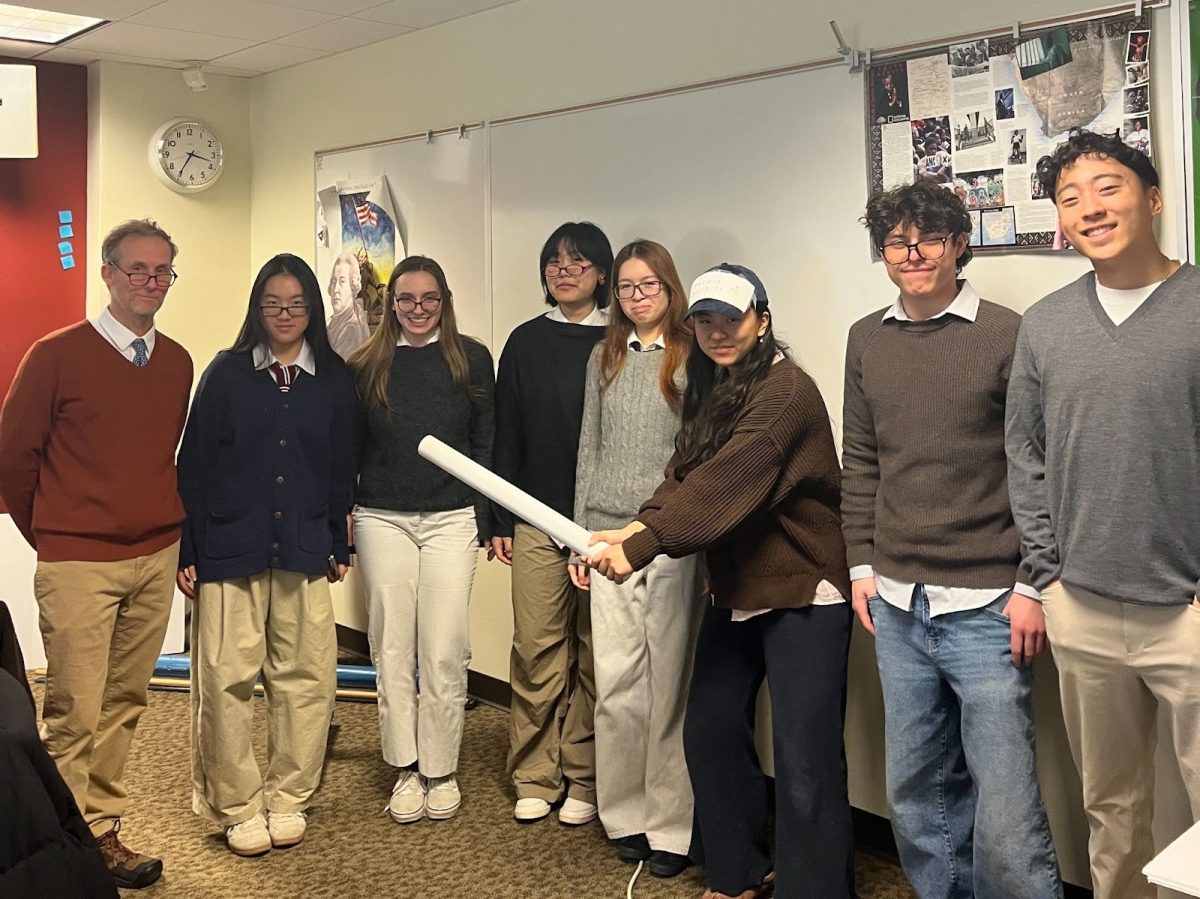
















This year, Peddie’s Speech and Debate Club is back and more active than ever.
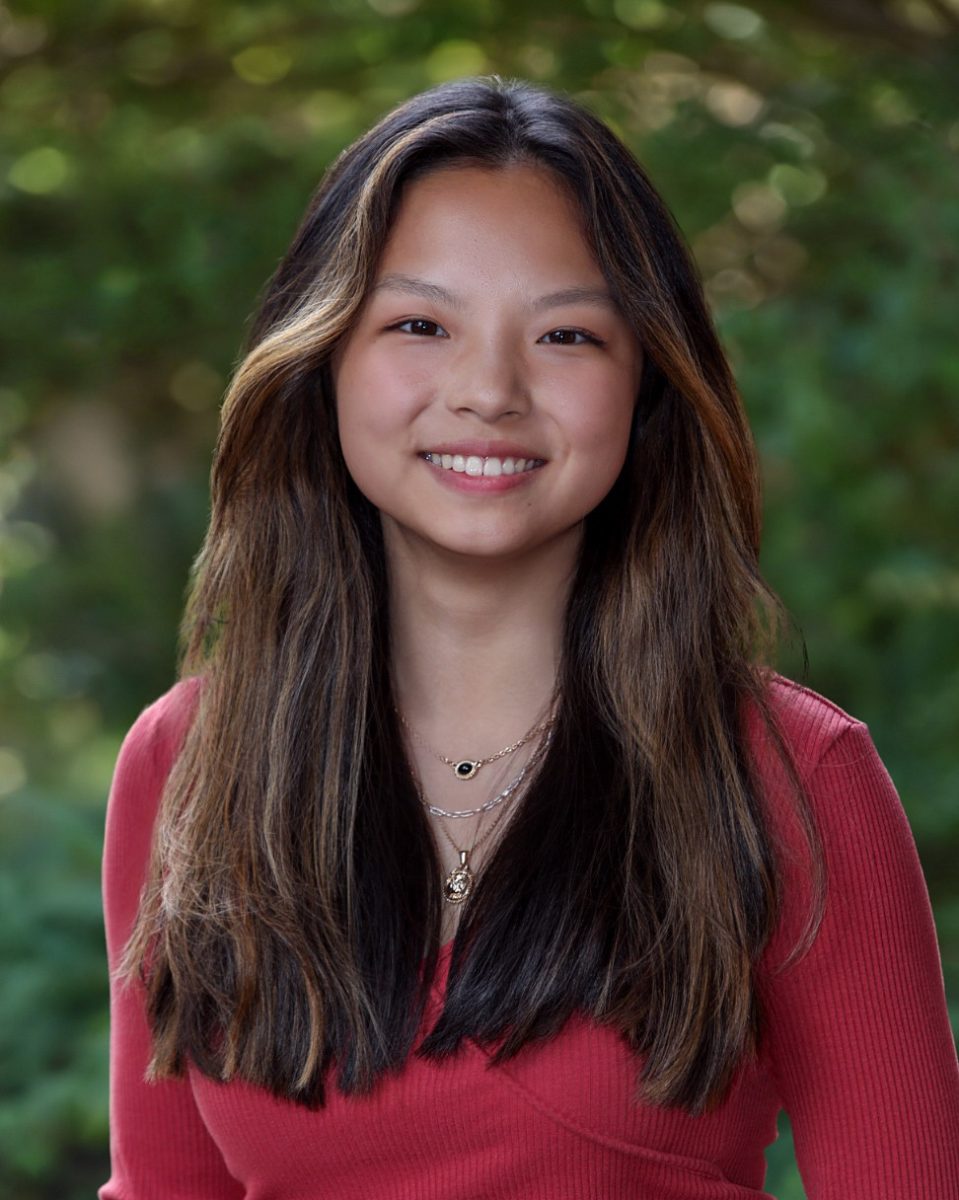
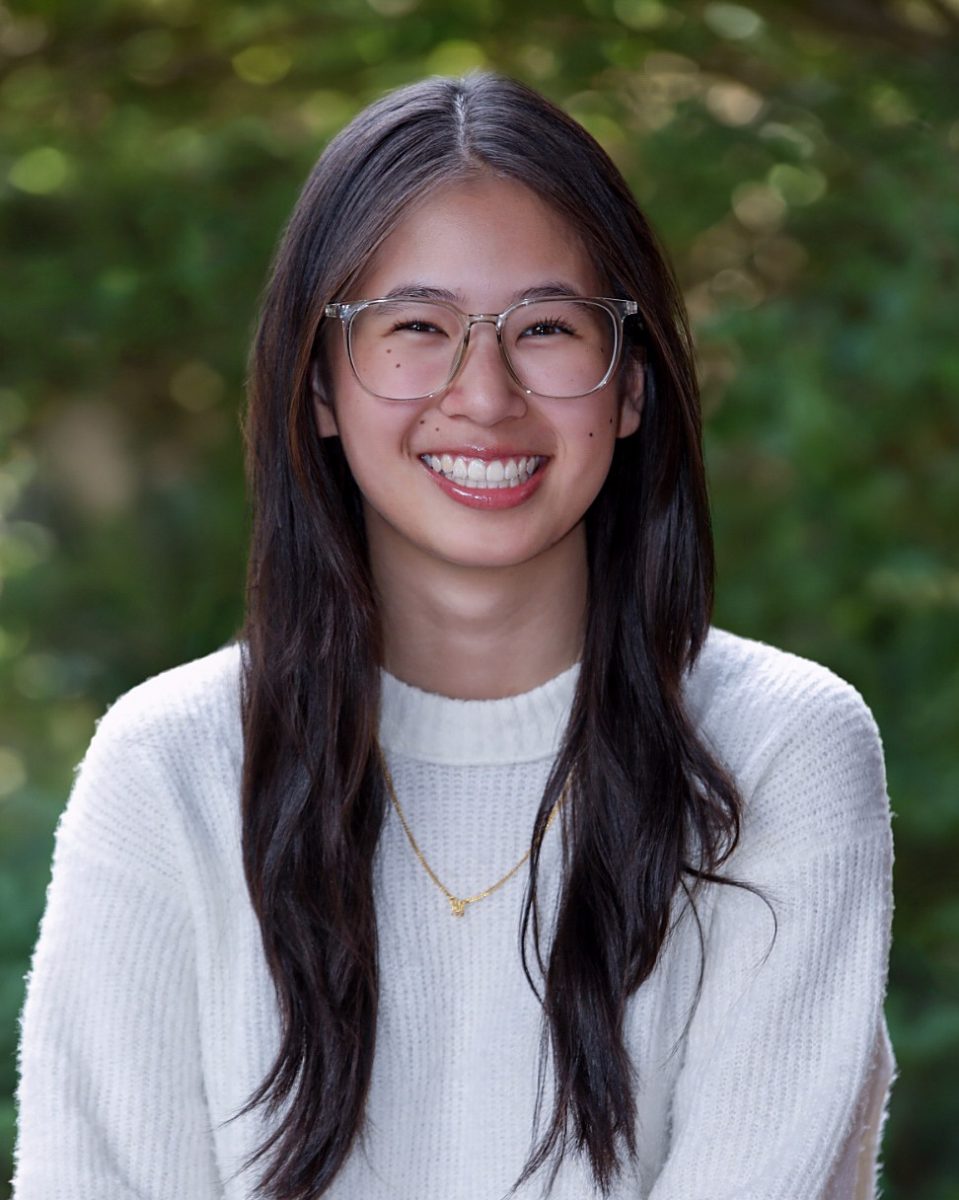
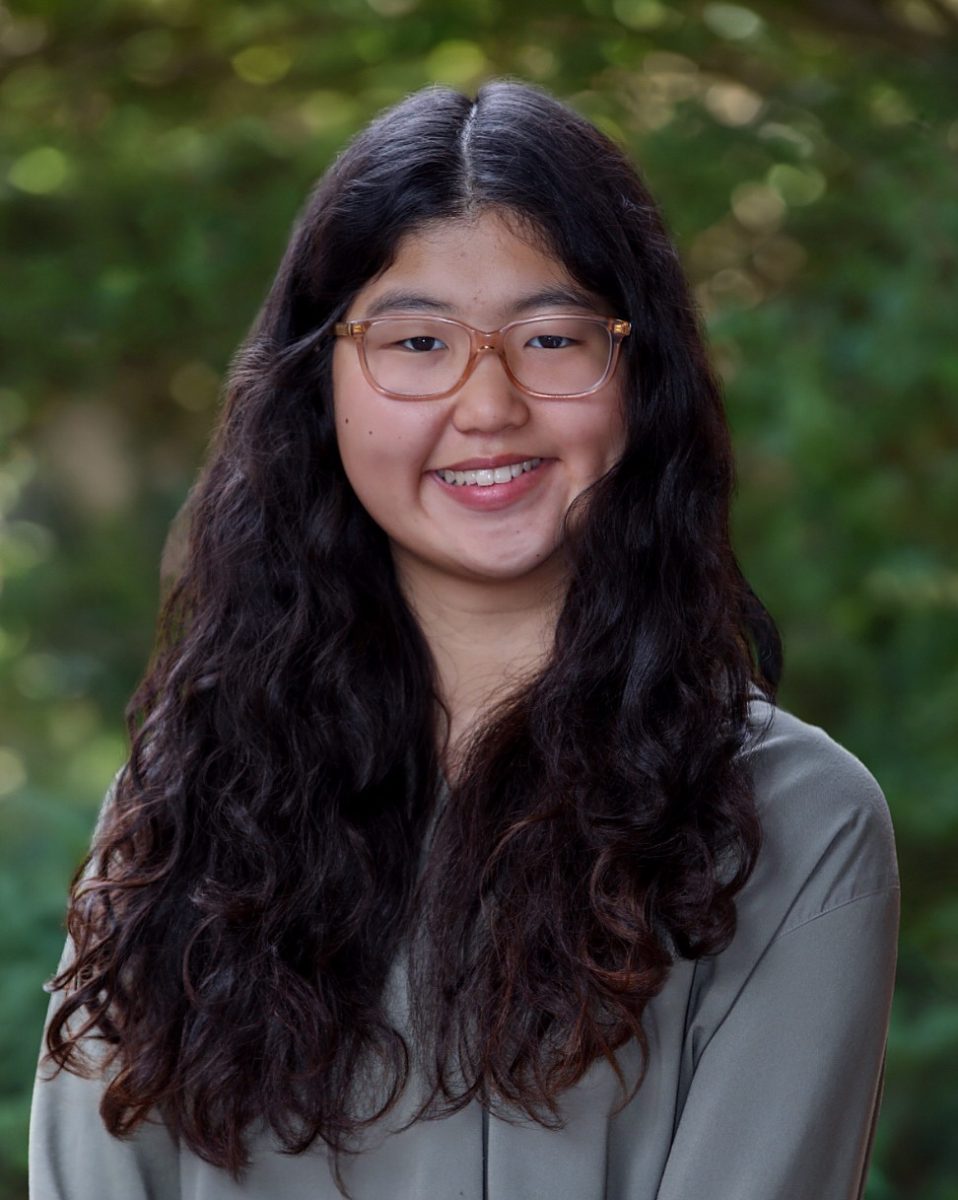
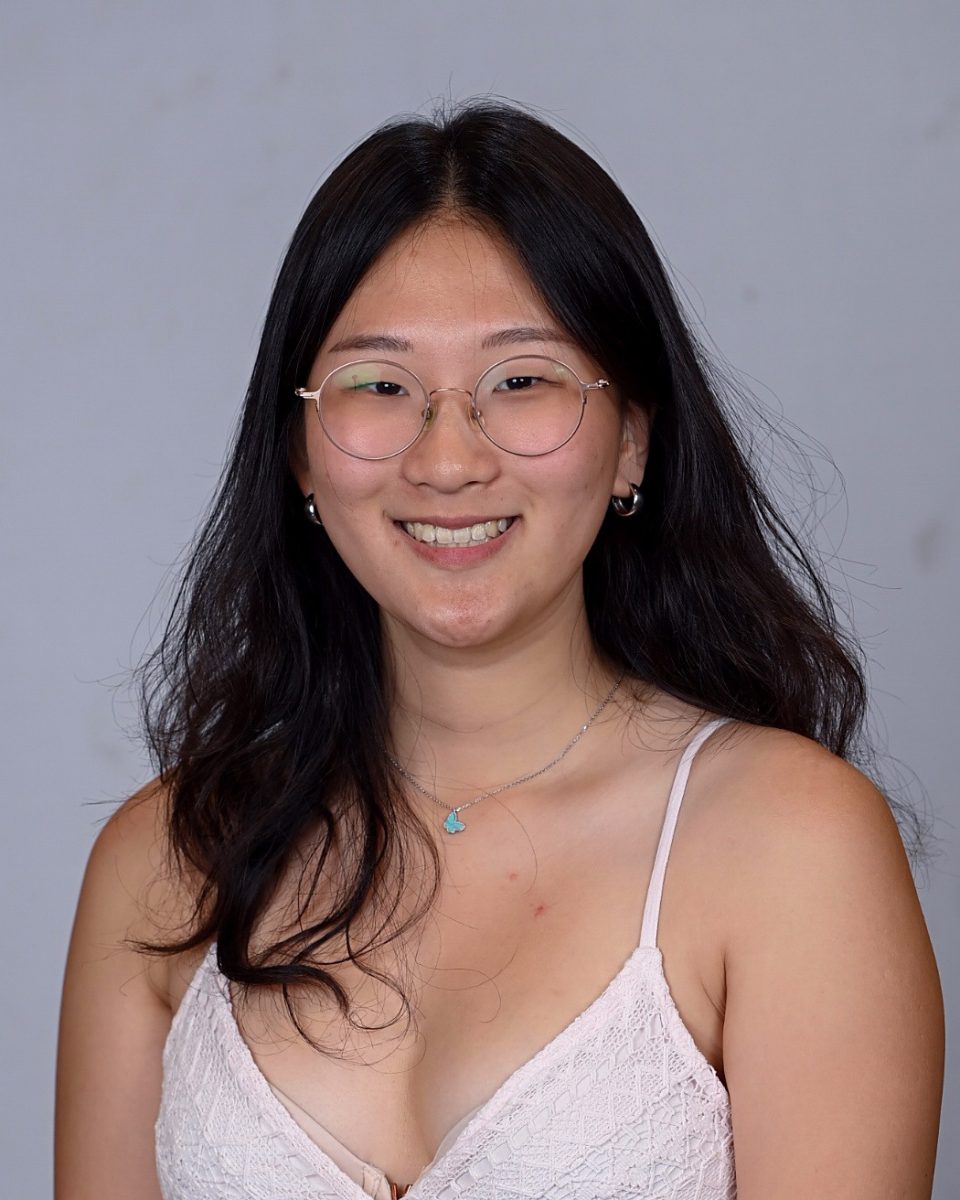
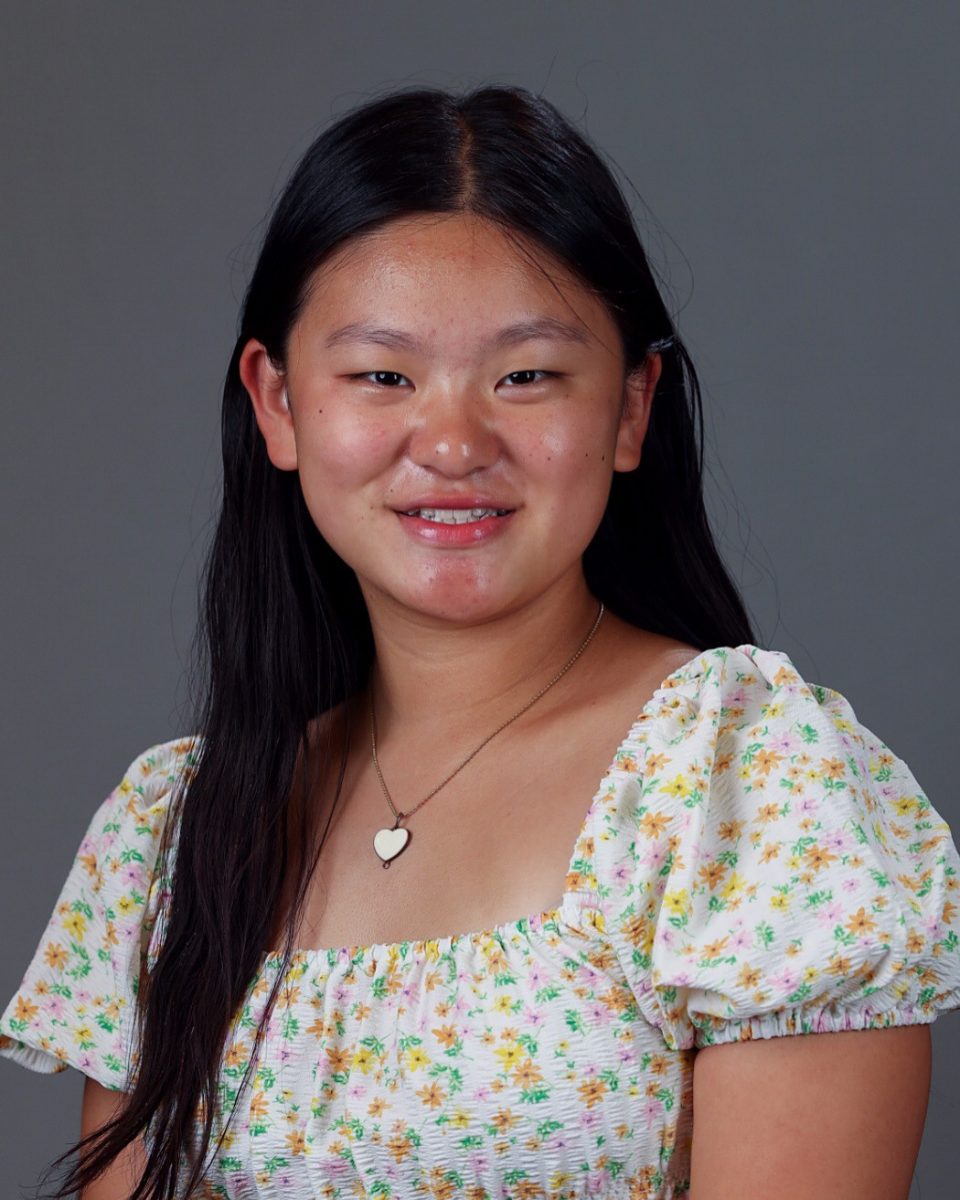
Seniors Sophia Cervantes and Emily Huang took the reins from past leaders during the 2023-2024 school year. On a mission to revive the club after a period of inactivity, they began holding meetings and rebuilding membership in the fall of 2024.
Rebuilding came with various structural tasks, such as setting up a Tabroom account to become connected to the global tournament system and organizing members into divisions.
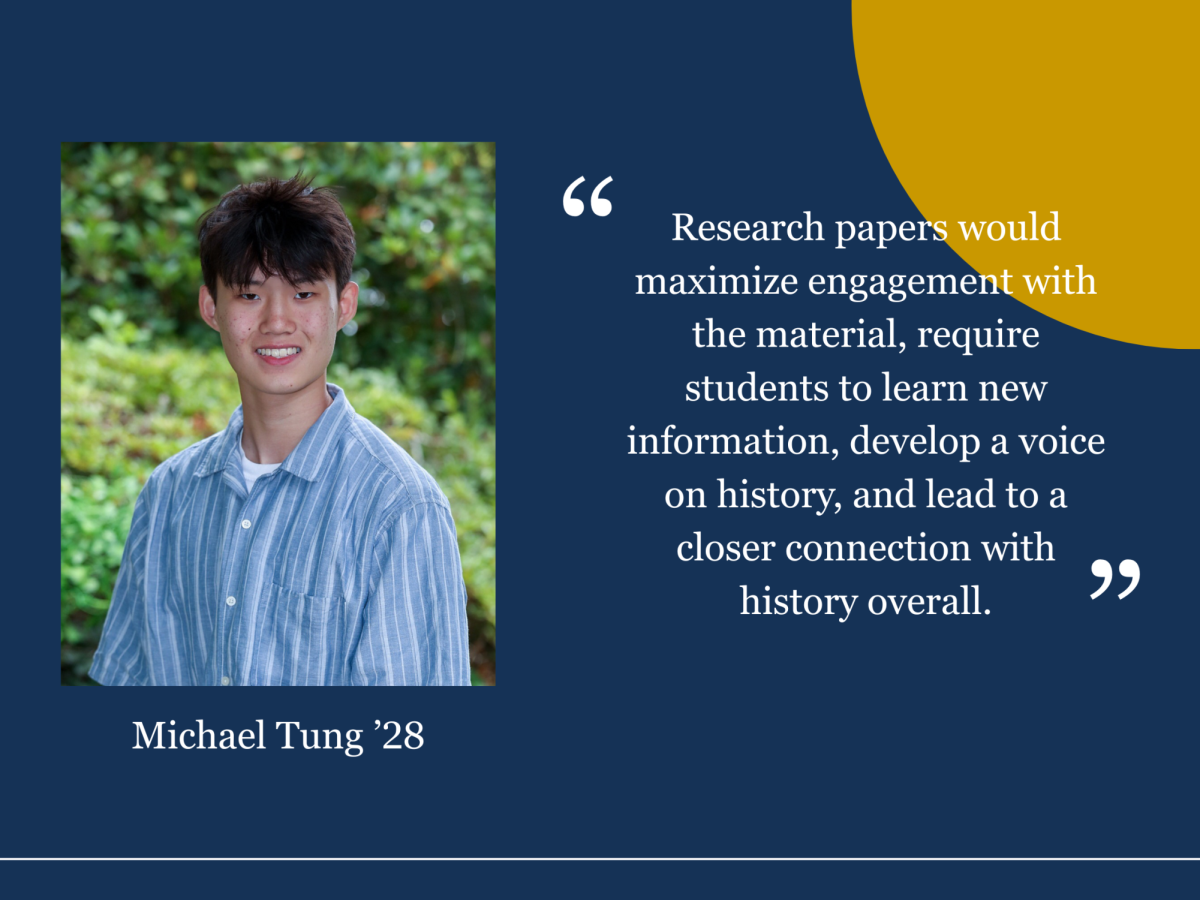
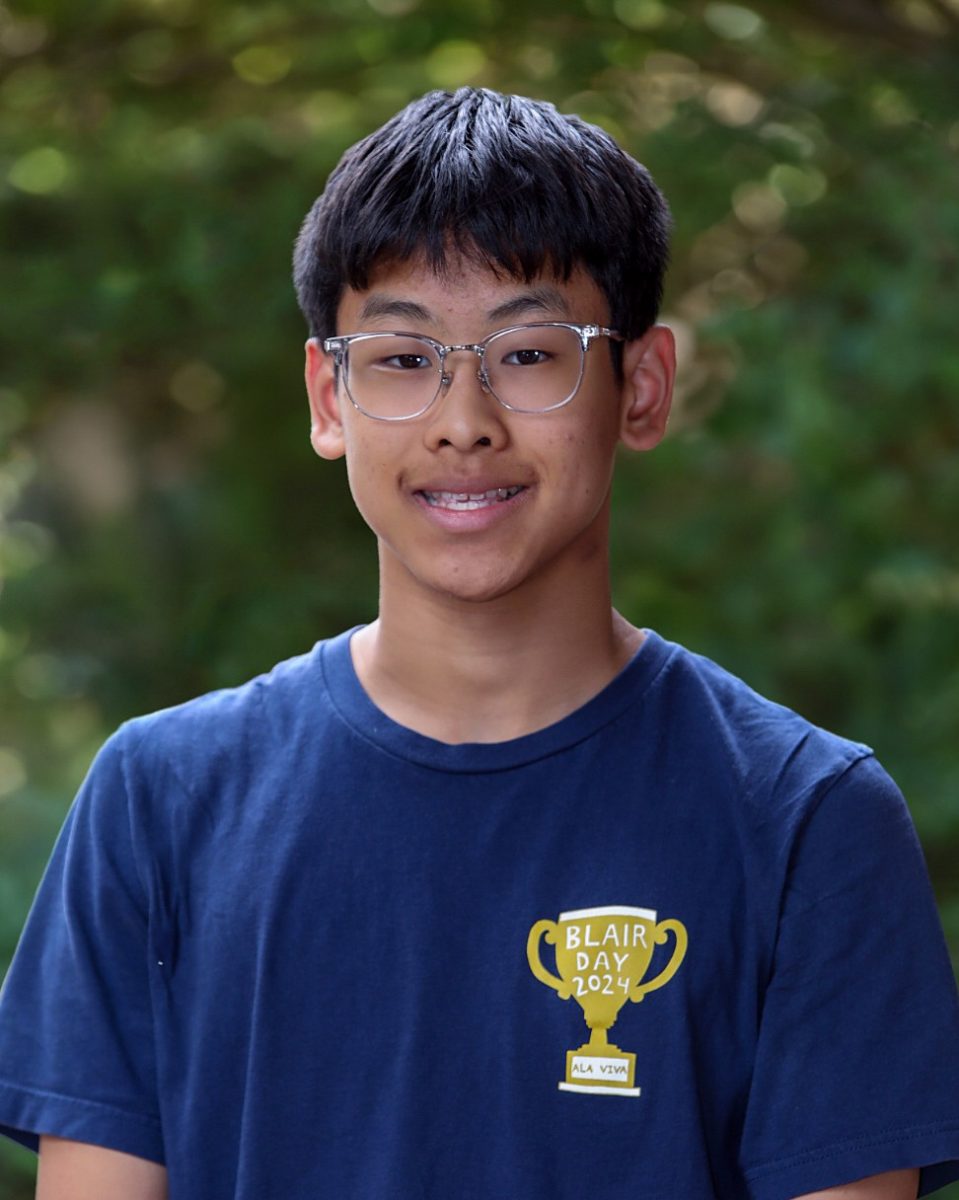
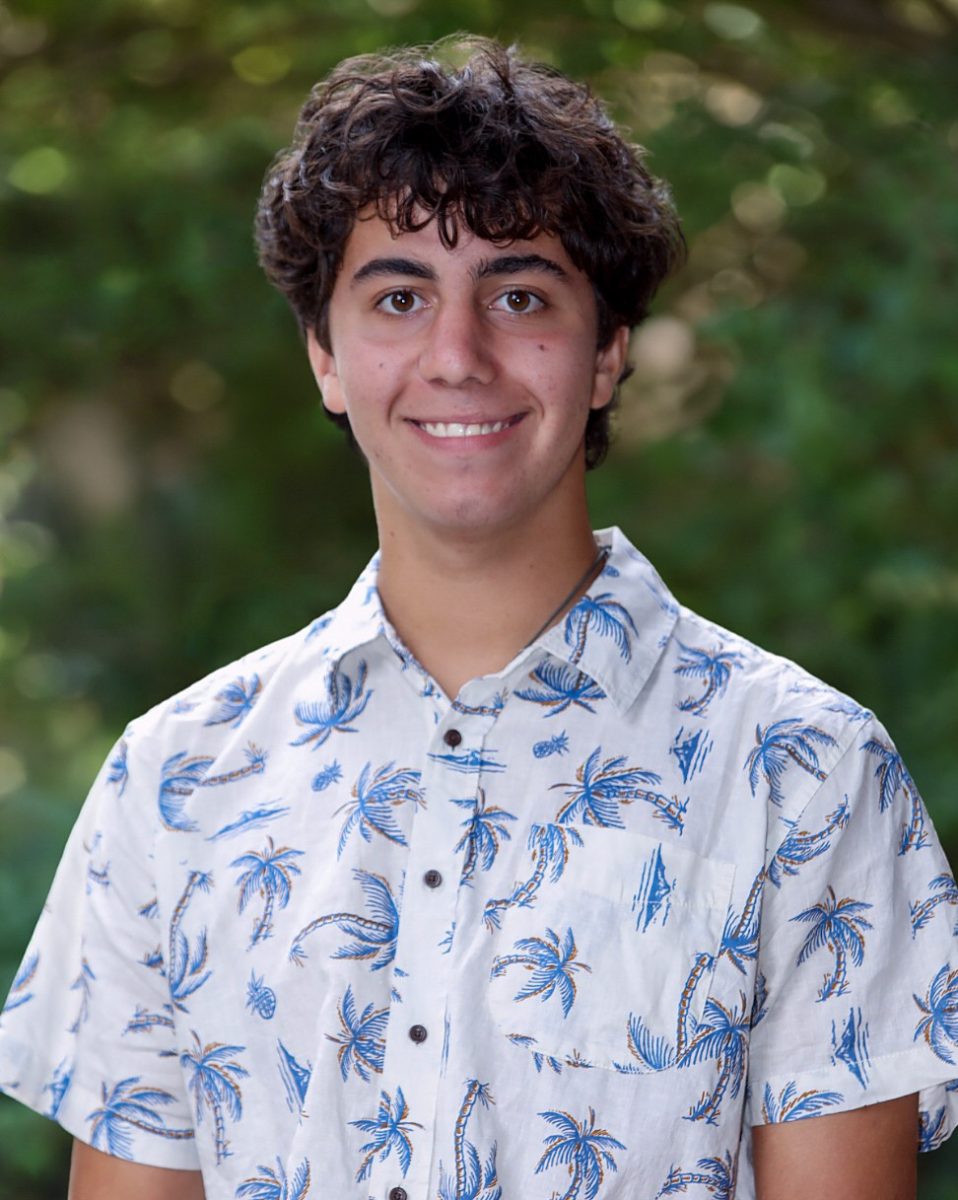
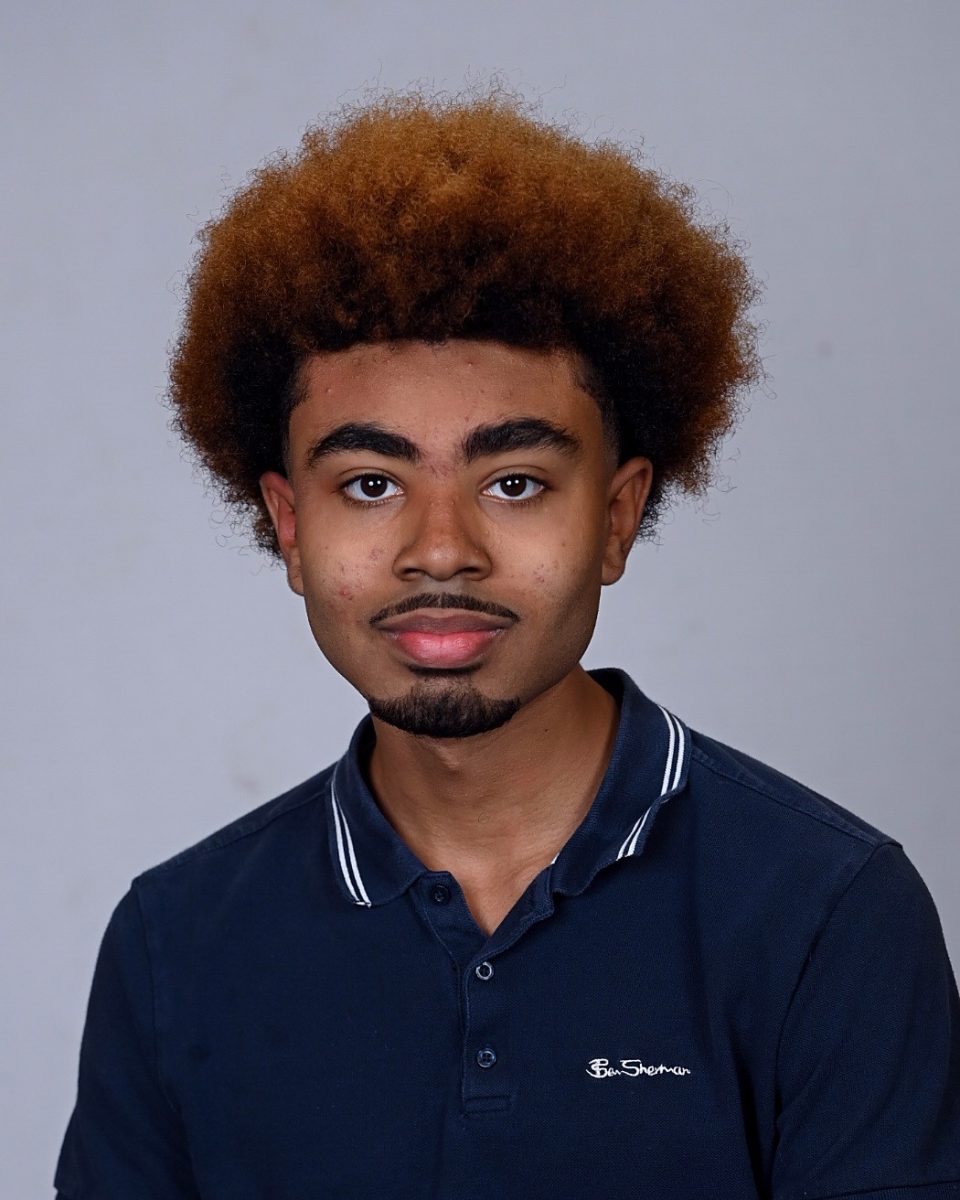
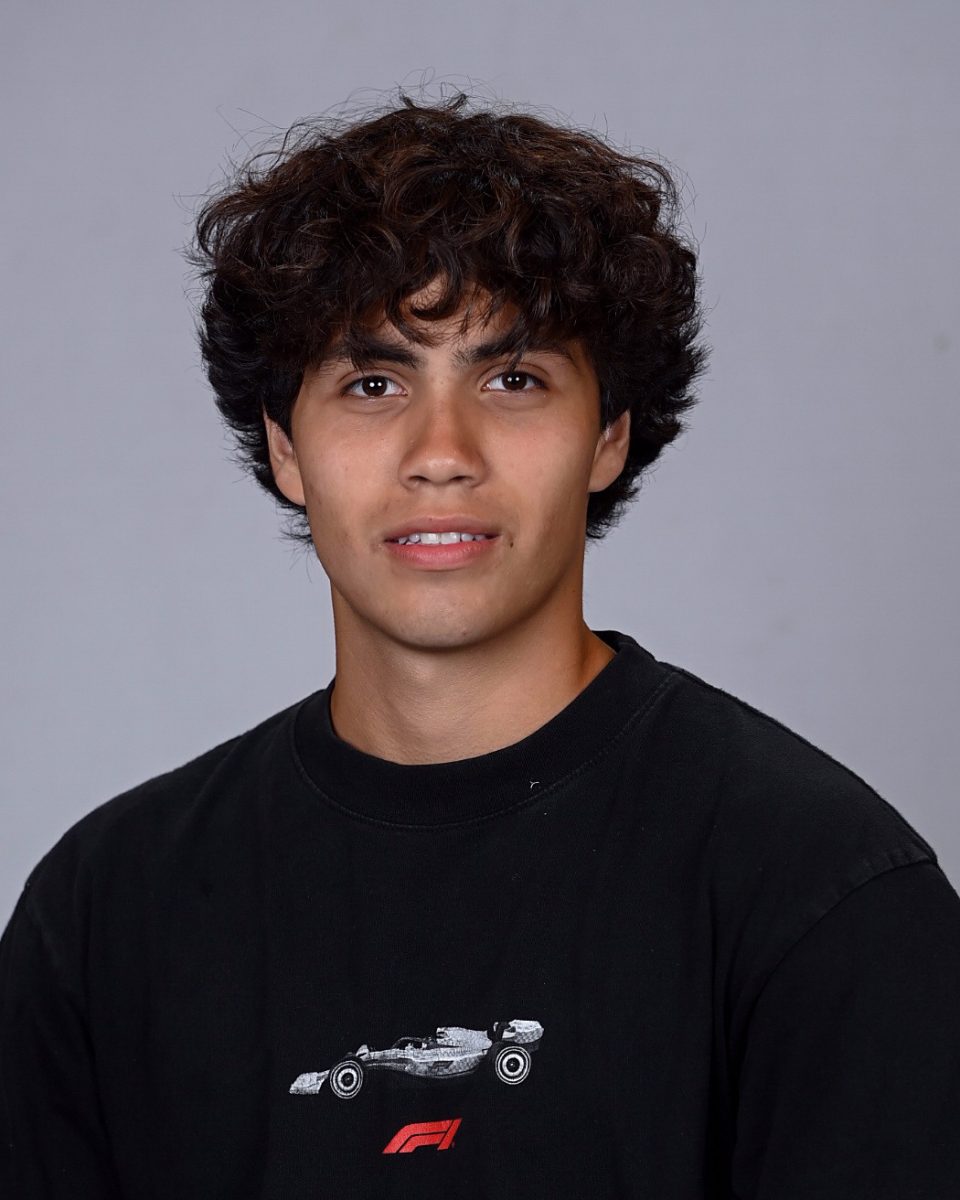
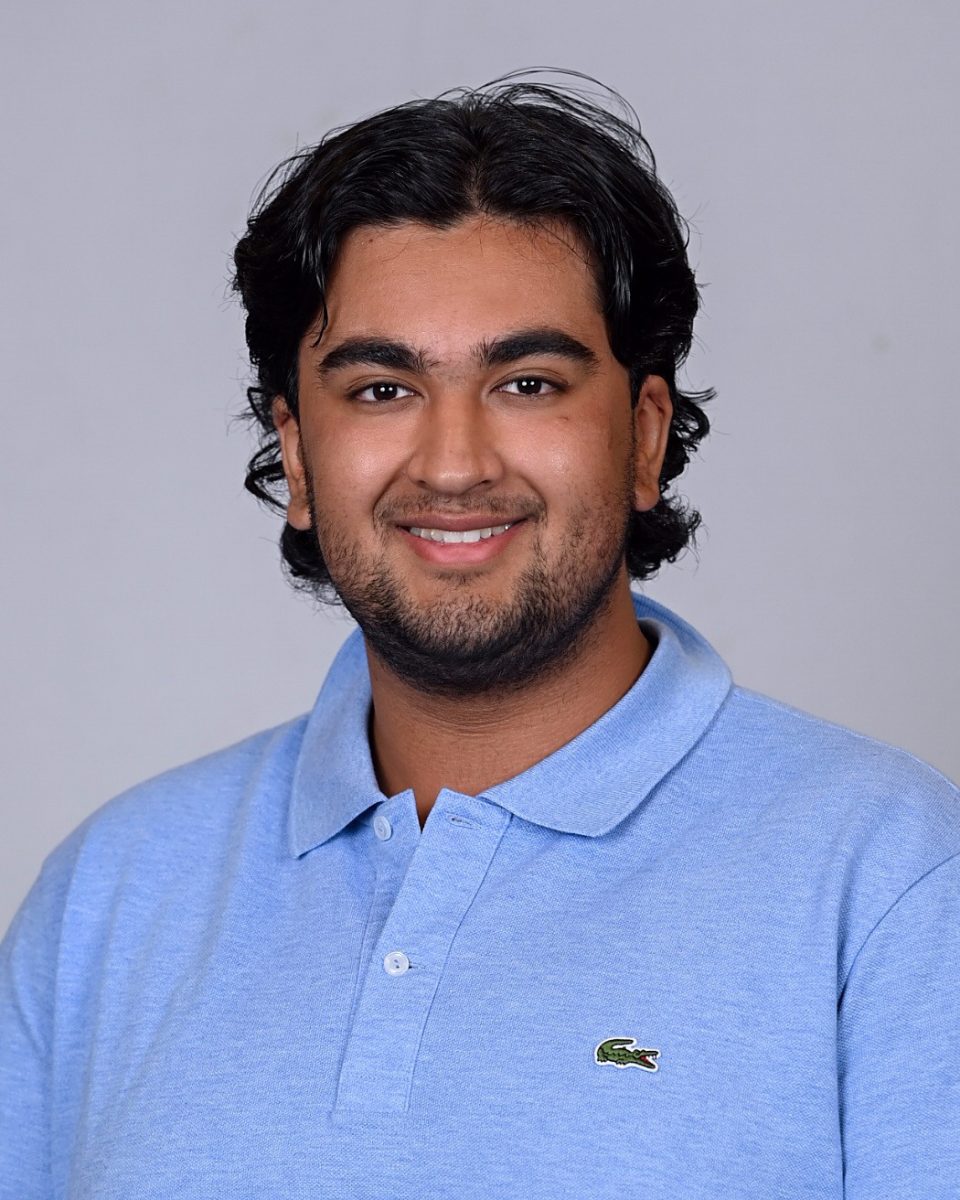
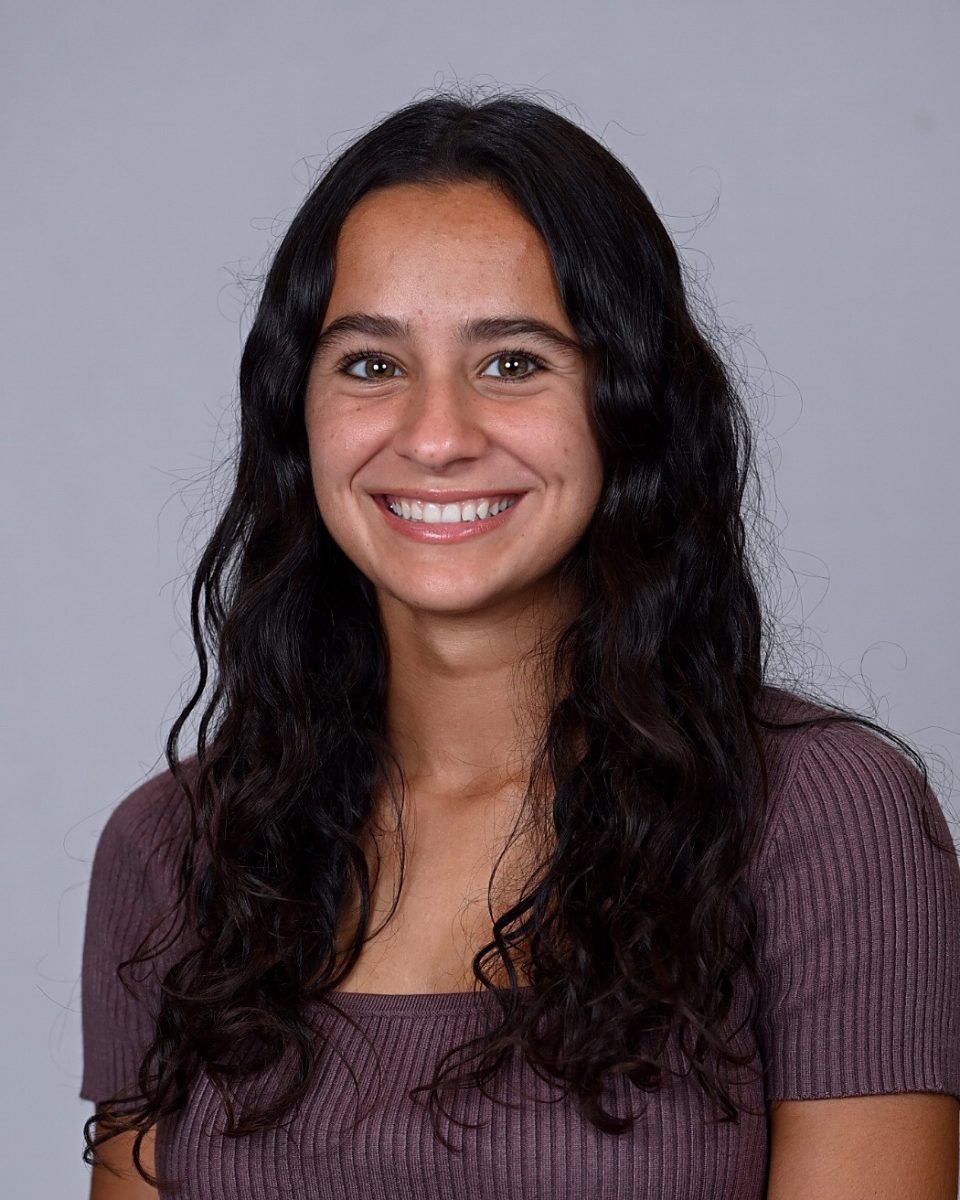
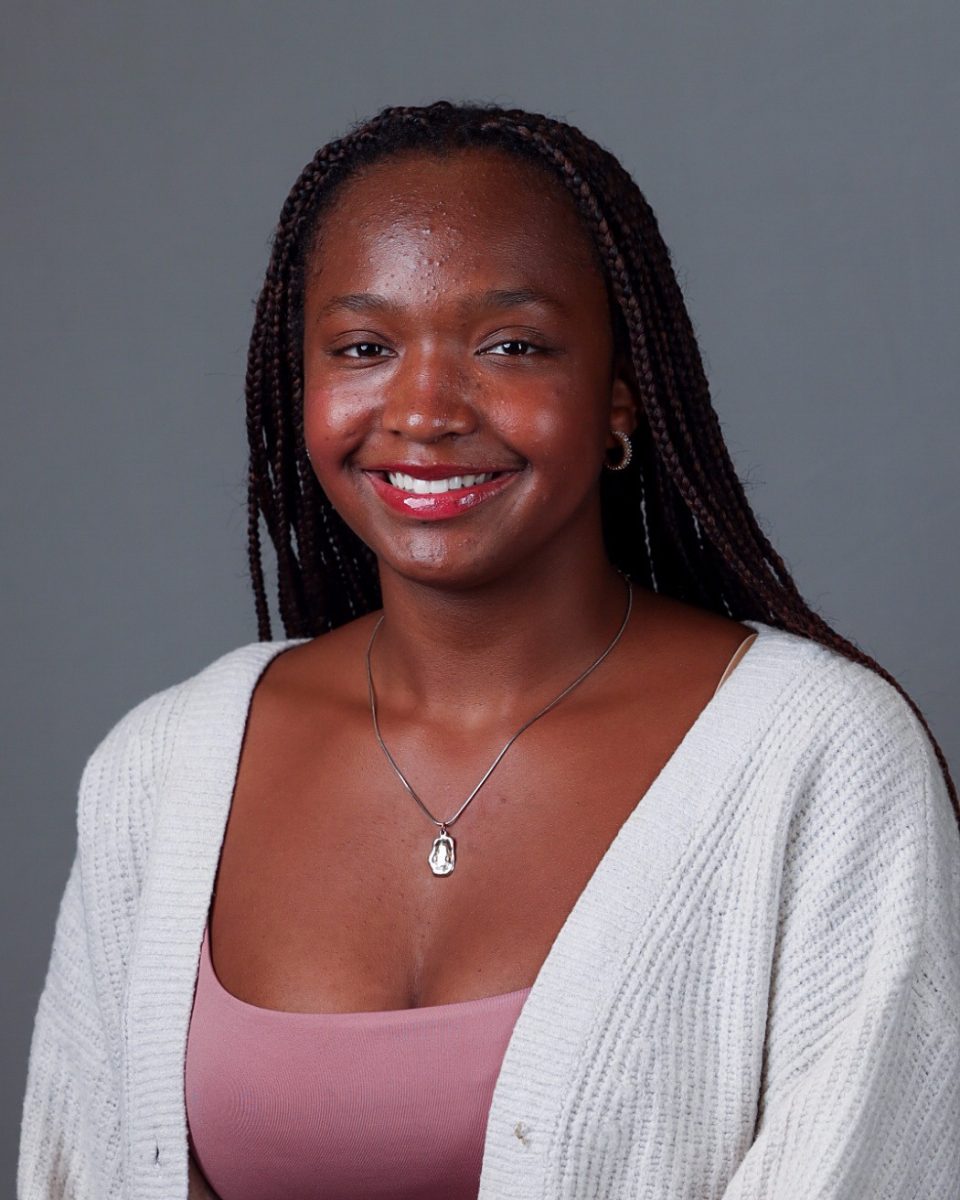
After holding applications, the club finalized positions, with Jhanak Dadlani ’27 serving as the Lincoln-Douglas leader and coach, Aidan Lawler ’27 serving as speech leader and Arsh Dandona ’29 and Michael Tung ’28 also serving as division leaders.
Theater department teacher Mrs. Sherman, who teaches Peddie’s Public Forum speech and debate courses (I and II), is the club’s faculty advisor. Because of her experience, Huang explained that Mrs. Sherman has been “really helpful with logistics, especially monetary stuff.”
Clubs don’t receive school funding, but Peddie covered most expenses incurred by entry fees and Tabroom account upkeep. The club has also been able to offer financial aid to competing students.
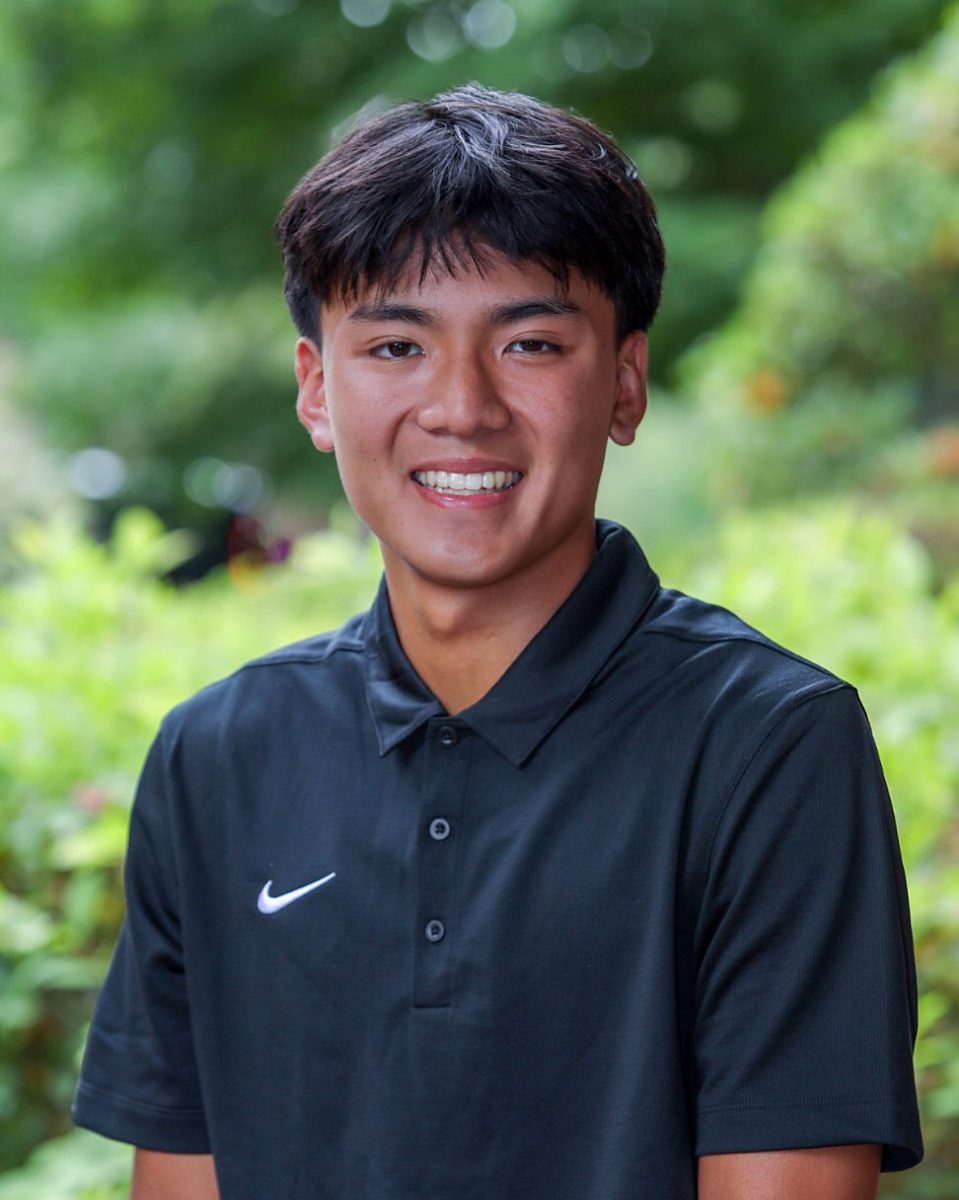
Alongside Cervantes and Huang is Austin Hua ’27, another co-president who joined the group towards the end of the last school year. Huang credits Hua with being a driving force behind some of the club’s key advancements, such as signing the club up for their first debate competition in around four years.
The competition, held online, occurred back in late February and was run by Kentucky University. Peddie students competed across various Lincoln-Douglas (single-person team) and Public Forum (two-person team) events, of which there were anywhere from 27 to 70 competing schools registered, according to Tabroom records.
“Our best results were . . . three and three, so they won three, lost three debates,” Huang said. “But most of them were two and four.”
For many of the students, this was their first debate competition in multiple years or their first ever experience with a tournament. “For the first debate, honestly, it’s really impressive,” Hua said.
Additionally, Hua explained that, compared to Peddie’s team, many students from other schools spend thousands of dollars and have many more hours to do extra research and preparation.
“I think all of our [members who competed] are really strong logically,” he continued. “They don’t need to use all this external research. . .they kind of just have this natural ability to argue, which is great.”
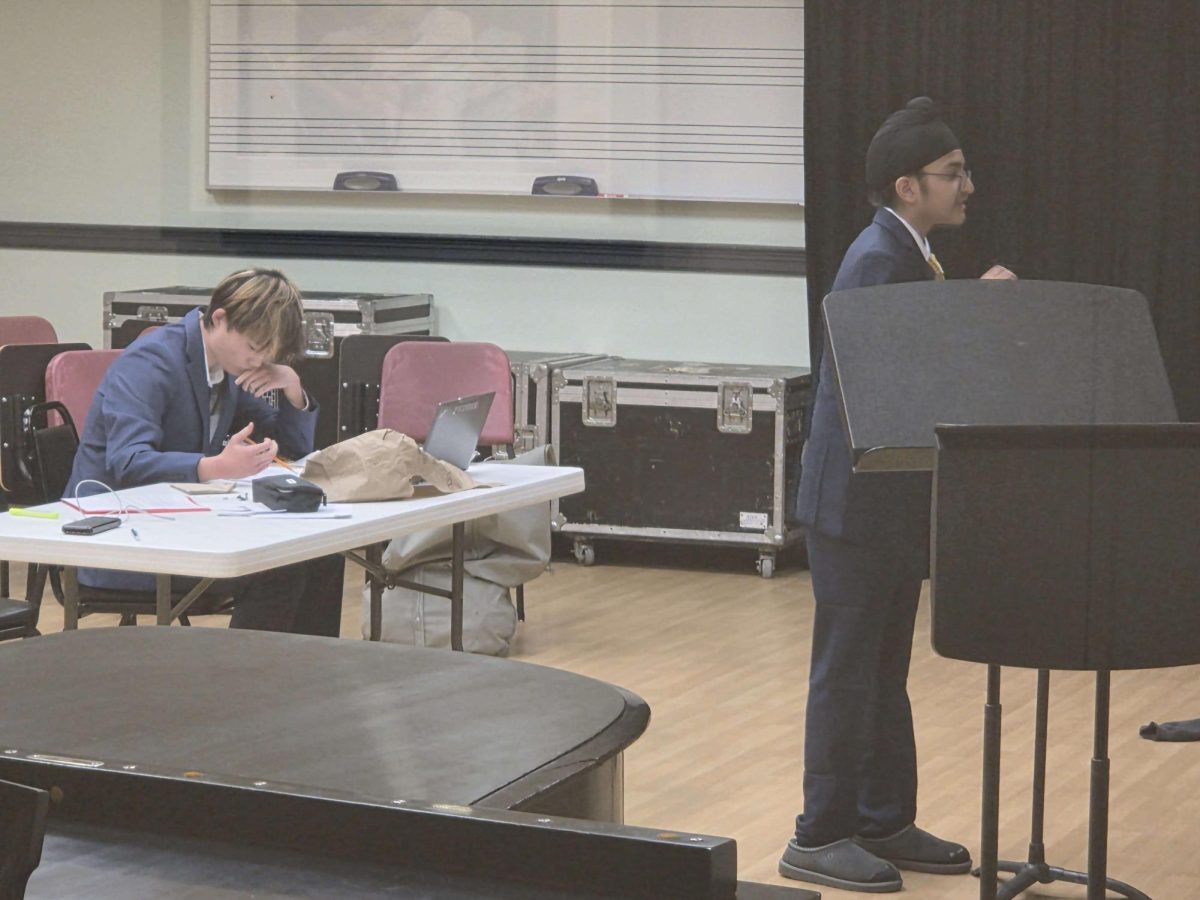
The club holds meetings every other week during DMX periods, where the leaders present slideshows and discuss different debate terminology and vocabulary. When gearing up for a tournament, students spend time writing their cases, working with their division leaders and participating in mock debates.
Hua explained that getting students to become invested in their topic and self-motivated throughout the process can present initial challenges, but “eventually, after they do all their work and then participate in the tournament, they do get really interested in it.”
He recalled: “I remember after a lot of the kids [won] their first round, they were ecstatic; they were yelling and jumping around,” he said. “They were asking me, ‘Oh, can we sign up for the next tournament?’, which is just really good to see.”
According to Dadlani, an experienced debater, it can sometimes be challenging to meet students at their varying levels, but “seeing their genuine interest in both the topic and the structure of debate” has been a rewarding experience.
“When you spend years immersed in Speech and Debate courses, it’s easy to forget what it’s like to be a beginner,” she explained. “I’ll often use vocabulary that I’ve heard hundreds of times, forgetting I haven’t taught it to them yet.”
Looking forward, Huang hopes to help further students’ growth and improve coaching and club organization, all while fostering a love for debate.
Additionally, as the school year comes to a close, they will start looking for one to two new leaders to help Hua with logistics and continue building on the club’s momentum from the past couple of years.
Currently, online tournaments are a more financially viable option for the team to continue gaining experience, but as of early March, the leaders had not picked a specific next competition to register for.
Instead, in early April, the club announced via email an in-school tournament scheduled for sometime from May 25 to 27, which is the last week of the school year. The tournament will offer shortened, beginner-friendly versions of Lincoln-Douglas and Public Forum events to remain accessible to the entire school community.
Prizes include a $25 Amazon gift card for both formats and awards such as Best Speaker and Most Creative Argument.
“Debate in general really strengthens your argumentative thinking. It definitely helps me become a better writer and be persuasive,” Huang said. Additionally, she feels that listening to various arguments and debate topics has made her more aware of current and historical events.
For Dadlani, being a part of the debate team has helped her integrate into the Peddie community.
“After transferring to Peddie, debate has helped me feel more comfortable walking up to people I don’t know and striking [up] a conversation,” she said. “Leading the team has helped me meet new people — especially underclassmen — and feel more comfortable teaching others.”
For students and leaders alike, participating in Speech and Debate is a chance not only to sharpen writing and communication skills but also to collaborate with peers and become more connected to the community.